What does brake line replacement cost in Milwaukee?
One rusted steel line usually costs about $240 to $720 with parts. Labor is most of it. The tubing is cheap. A full set on a truck can pass $1,000. The spread comes from hours, and hours come from rust.
Milwaukee Mobile Mechanic posts its rates. A $150 call out covers the trip, the scan and the first 30 minutes. After that, labor is $150 an hour in 30 minute steps. Run that against real job lengths and you get this.
| Time on the car | Labor | Typical job |
|---|---|---|
| 1 hour | $225 | One flexible hose at a wheel, bolts come off clean |
| 2 hours | $375 | One short steel line, fittings cut free |
| 3 hours | $525 | A longer line with clips and brackets rusted in place |
| 4 hours | $675 | A rear line running back toward the master cylinder |
| 6 hours | $975 | A full set on a pickup or SUV, bent from coil |
Labor by hours on the car
Parts are extra. Most single lines land in the first four bars.
Now add parts. A 25 foot coil of 3/16 inch line runs $11.69 to $42.16 at 4LifetimeLines, by material. Their bent to fit kit for 2003 to 2007 Silverado and Sierra 1500 trucks is $75.13. Add brake fluid for the bleed. On a one line job, parts are about $12 to $42 of a $240 to $720 bill.
Three things push the hours up. Fittings that are rusted to the line and snap. Clips and brackets that crumble. A line that runs over the fuel tank or under a heat shield. Milwaukee cars tend to have all three.
Why Online Prices Don't Agree
Most cost pages skip the hours. So their numbers can't be checked.
The Synchrony brake line page says $150 to $300 per line. Its own table says $65 to $250 per line for a car and $107 to $380 for a truck. Four lines on a truck come to $428 to $1,520 there. Those numbers don't match each other.
CarParts.com puts one line at $5 to $220 in parts and $80 to $250 in shop labor. That labor figure fits a clean one or two hour job. It doesn't fit a rusted line in a Wisconsin March.
So ask any shop two things. How many hours? What rate? Then you can compare quotes.
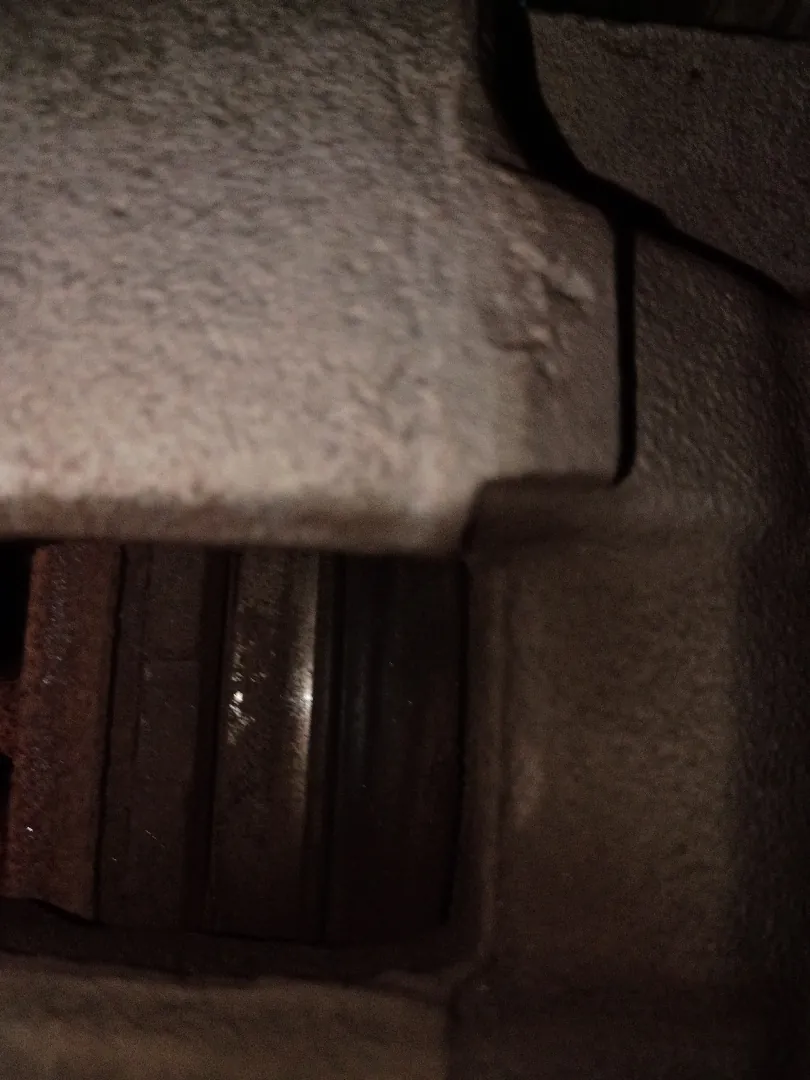
Why do brake lines rust out in Milwaukee?
Salt. Wisconsin is on NHTSA's list of salt states, and Milwaukee spreads tens of thousands of tons on city streets each winter. Steel lines run under the car in the spray. In a big federal study, failures climbed after about eight years.
The best data comes from a federal safety probe. NHTSA studied about 2 million 1999 to 2003 GM pickups and SUVs sold in salt states, and Wisconsin is on its list. Its closing report from April 2015 counted 2,702 complaints, 88 crashes and 20 injuries in that group.
Age was the pattern. Complaints were minimal under 8 years of service. In salt states they rose from under 0.1 per thousand trucks at year 7 to over 1.0 after year 12. That's a tenfold jump. Most failures came after 10 years. NHTSA found no defect and blamed coating wear plus harsh corrosion states.
Milwaukee keeps that salt coming. The city's five year average was 57,787 tons a season for 2013 to 2017, and 36,508 tons in a later five year span, per Milwaukee DPW data reported by FOX6 (November 8, 2023). Less salt is good. It's still a lot of salt hitting steel tubes.
What are the signs of a bad brake line?
A soft or sinking pedal, a brake warning light, and wet spots near a wheel or along the frame. Brake fluid is clear to amber and feels slick. On a salted car, look for flaky orange scale on the thin metal tubes.
- Pedal sinks slowly at a light. Fluid is going somewhere.
- Spongy or soft pedal. Air or a leak in the system.
- Brake warning light. Often low fluid in the reservoir.
- Wet tire sidewall on the inside. A hose or caliper leak.
- Car pulls when braking. One side has less pressure.
CarParts.com lists the same core signs, plus slower braking. Check the fluid level with the engine off. A low reservoir with no pad wear to explain it points to a leak.
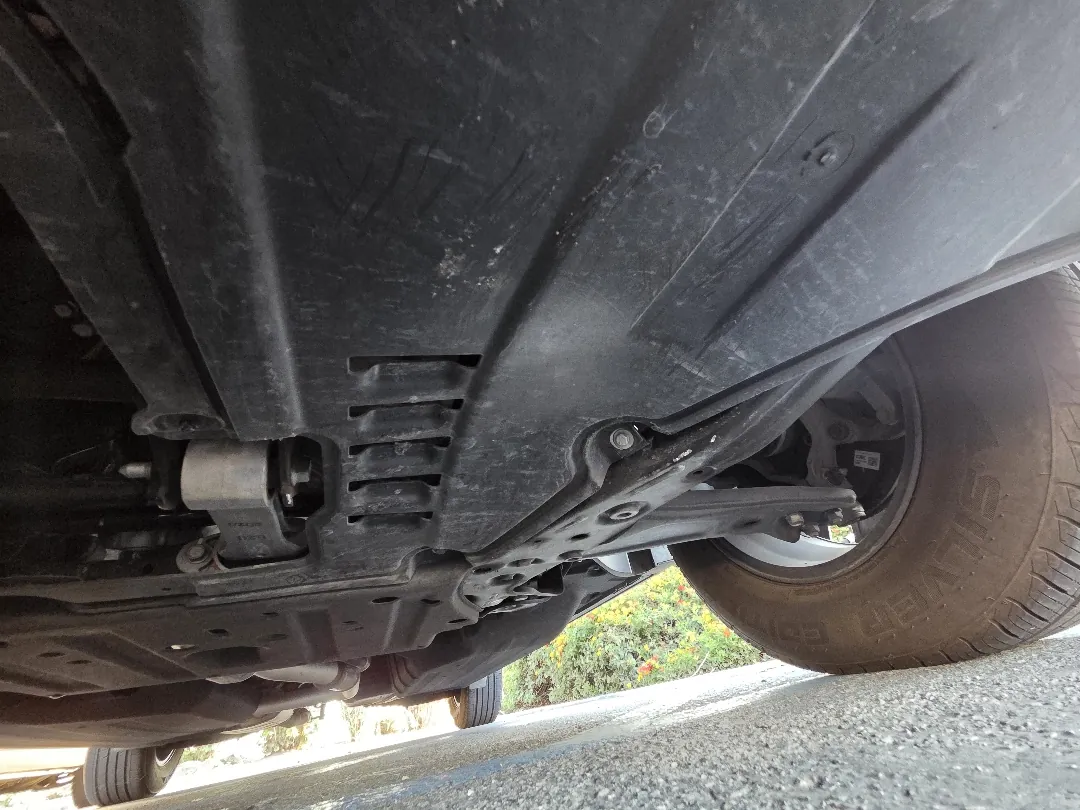
Can you drive with a rusted brake line?
Not with a leak. A leaking line can burst when you brake hard, and the pedal can drop. Surface rust with no leak is a warning, not an emergency. Get it checked before winter.
Wisconsin law is plain about it. Rule Trans 305.17 requires a brake system that is fully connected and free of leaks. A dripping line fails that test.
If the pedal goes soft while driving, pump it, downshift, use the parking brake gently, and pull over. Then have it towed or fixed where it sits. Don't top off the fluid and keep going. Fluid buys minutes, not miles.
Asked and Answered
Can a rusted brake line be patched instead of replaced?
Replace the bad section with proper tubing and fittings. Tape and quick repair kits are short term only. Wisconsin's rule says replacement lines must meet or beat the maker's specs.
The same rule covers replacement lines. Rubber fuel hose and hardware store fittings don't count.
How long does it take to replace a brake line?
Most single line jobs take one to four hours, plus bleeding the brakes. A full set on a truck takes much longer. Seized fittings add time.
A Minneapolis shop puts most brake line jobs at one to four hours on its brake line repair page. Another salt belt city, same story.
Can a mobile mechanic replace brake lines in your driveway?
Yes, for most hoses and single lines. Long runs over a fuel tank on some trucks need a lift. A good mechanic tells you that before the job starts.
How do you keep brake lines from rusting?
Wash the underside of the car several times during and after winter. Do it on thaw days, when the salt is wet. Have the lines looked at each spring.
Line material matters too. Copper nickel and stainless rate highest for corrosion on the 4LifetimeLines chart. Copper nickel bends by hand and won't rust, which makes it a common pick for replacement runs.
Does the Milwaukee emissions test check brake lines?
No. Milwaukee County requires an emissions test. It is not a brake check, and Wisconsin has no yearly safety inspection for cars.
Vehicles kept in Milwaukee and six nearby counties need the test, per WisDOT. Nobody is required to look under your car. That job is yours.
Get It Looked At Before the Salt Trucks Roll
We check brake lines on every brake job, at your home or work. If a line is rusty but sound, we'll show you a photo and tell you to wait. If it's leaking, we'll quote the hours before we touch it. See the brake repair page, the undercarriage inspection, or our full price list. Call (414) 877-8092.
Numbers From
| What we cited | Where it came from |
|---|---|
| 2,702 complaints, 88 crashes, failures by years in service, salt state list | NHTSA ODI closing resume EA11-001, April 2015 |
| Wash undercarriages, 20 states and D.C. | CBS News Detroit, April 9, 2015 |
| Milwaukee salt use, 57,787 and 36,508 tons | FOX6 Milwaukee, November 8, 2023 |
| Brakes free of leaks, replacement line materials | Wisconsin Admin. Code Trans 305.17 |
| Emissions test counties | WisDOT, Emission test |
| Brake line coil and kit prices, line materials | 4LifetimeLines brake line kits |
| $65 to $380 per line, four line totals | Synchrony, brake line replacement cost |
| $5 to $220 parts, $80 to $250 labor, symptoms | CarParts.com, brake line replacement cost |
| One to four hours for most jobs | Uptown Imports, Minneapolis |
| $150 call out, $150 an hour labor | Milwaukee Mobile Mechanic price list |