Mobile auto repair · 7 days a week, 7am - 7pm $79 flat call-out, diagnostic included (414) 877-8092
Call (414) 877-8092Book a visitServicesCheck Engine & DiagnosticsBatteries, Starters & ChargingNo-Start & RoadsideBrake RepairRust & UndercarriageSuspension & SteeringOil ChangesCooling & HeatingTune-Ups & FiltersEngine RepairTransmissionPre-Purchase InspectionService AreaMilwaukeeWauwatosaWest AllisGreenfieldOak CreekFranklinGlendaleSouth Milwaukee & CudahyBrookfieldNew BerlinMenomonee FallsWaukeshaOur WorkPricesAbout
Home/ Services/Engine Repair

Engine Repair & Replacement

Engine work splits cleanly in two: sensors, gaskets and leaks happen where your car sits, while timing chains and internals need a lift and a roof - and we tell you which one you have before you pay anything.

At a glance

  • Sensors, gaskets, oil and coolant leaks, valve cover and intake work at your home or work
  • Timing chains, head gaskets and replacements move to a shop, quoted before it moves
  • Compression and leak-down testing to prove an internal fault instead of assuming one
  • Every failed part is photographed, and you get the pictures whether you ask or not

Prove it before you buy it

Engine repair is where mechanics lose people's trust, because the numbers are big and the evidence is invisible from the driver's seat. So the standard we hold ourselves to is simple: nothing internal gets quoted until it has been proved.

Compression testing shows whether the cylinders seal. A leak-down test shows where the loss goes - past rings, past valves, or into the cooling system through a head gasket. An oil pressure gauge on the port beats trusting a dash lamp wired to a switch. A borescope through the plug hole shows piston crowns and cylinder walls without disassembling anything. That is a couple of hours of work, and it is the difference between a diagnosis and a hunch.

Timing chains, phasers and the cold-start rattle

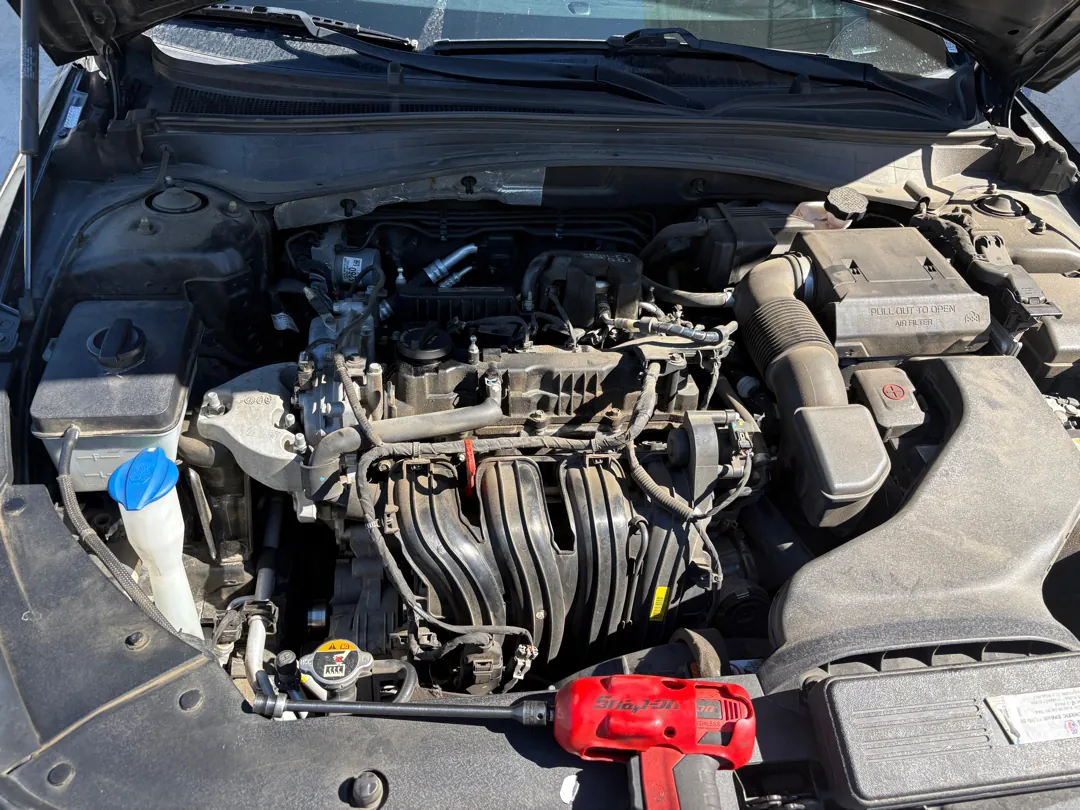
A brief rattle for a second or two on a cold start is one of the most common complaints we get on higher-mileage engines here, and it is worth taking seriously. It is usually a timing chain tensioner that bleeds down overnight, or a variable-timing phaser worn by oil that went too long between changes. Both get worse. On a chain-driven engine, ignoring it long enough eventually means the chain jumps a tooth, and on an interference engine that is a rebuild.

Codes like P0016 - crank and cam out of correlation - are the written version of that same rattle. That is not a code to clear and hope about.

When replacement is the honest answer

Sometimes the maths does not work. An engine needing $4,500 of internal work, in a salted twelve-year-old body with a corroding subframe, is a car telling you something. We will give you the repair cost, the used and remanufactured engine cost, and a straight opinion on the rest of the vehicle - and if our honest advice is that the money is better spent elsewhere, you will hear that.

If replacement is the right call, we do them. It is shop work, it takes days rather than hours, and the quote comes before anything is dismantled.

From the job book

What this work looks like

Real repairs, photographed on the job. These are jobs from our wider mechanic network rather than Milwaukee customers — we say so on every page rather than implying otherwise.
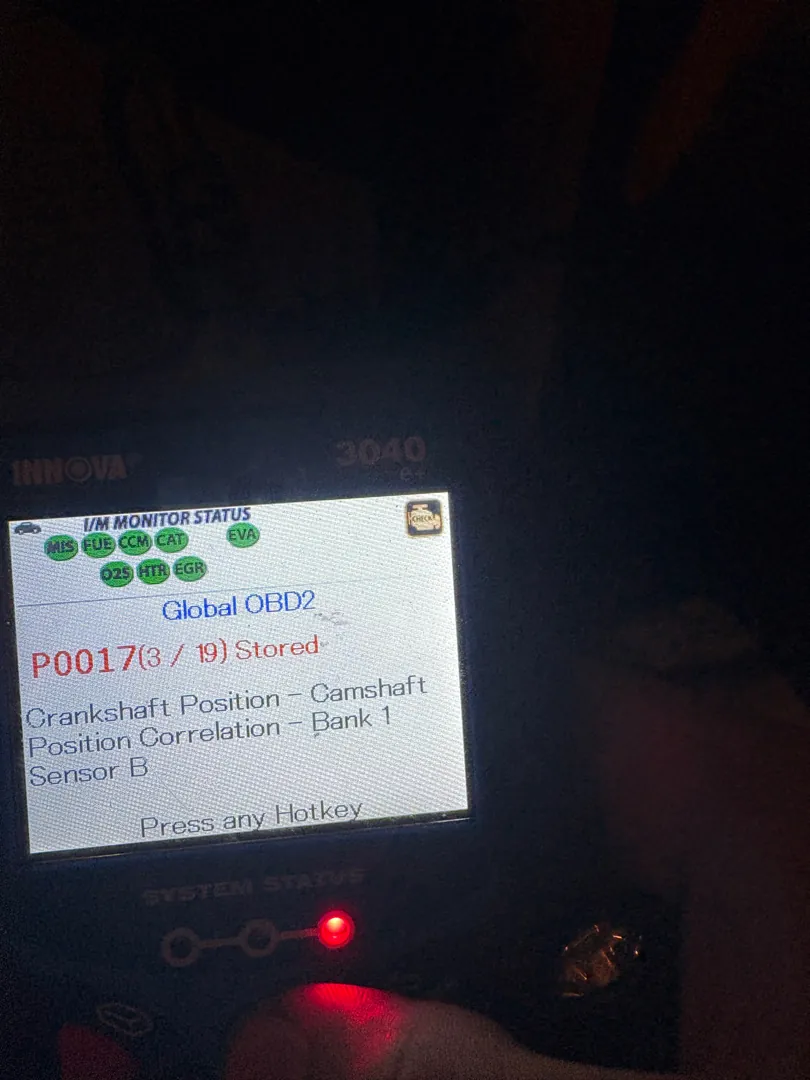
Code reader showing fault P0017, crankshaft position to camshaft position correlation, bank 1 sensor B
P0017 - crank and cam are out of correlation. That is a timing chain, a phaser or a sensor, and guessing wrong on this one is an expensive mistake.
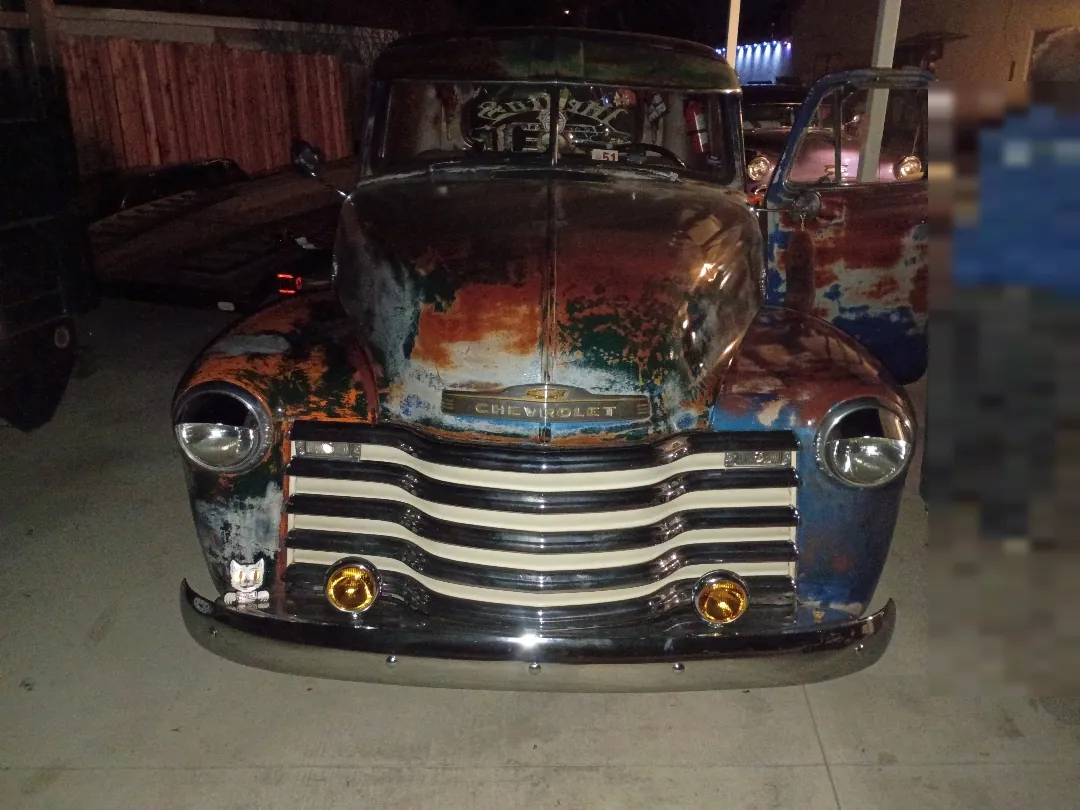
Vintage Chevrolet pickup with a chrome grille and patina paintwork parked indoors during a no-start diagnosis
No data bus, no scan tool, no help from a computer. On something this old the diagnosis goes back to compression, spark and fuel, in that order.
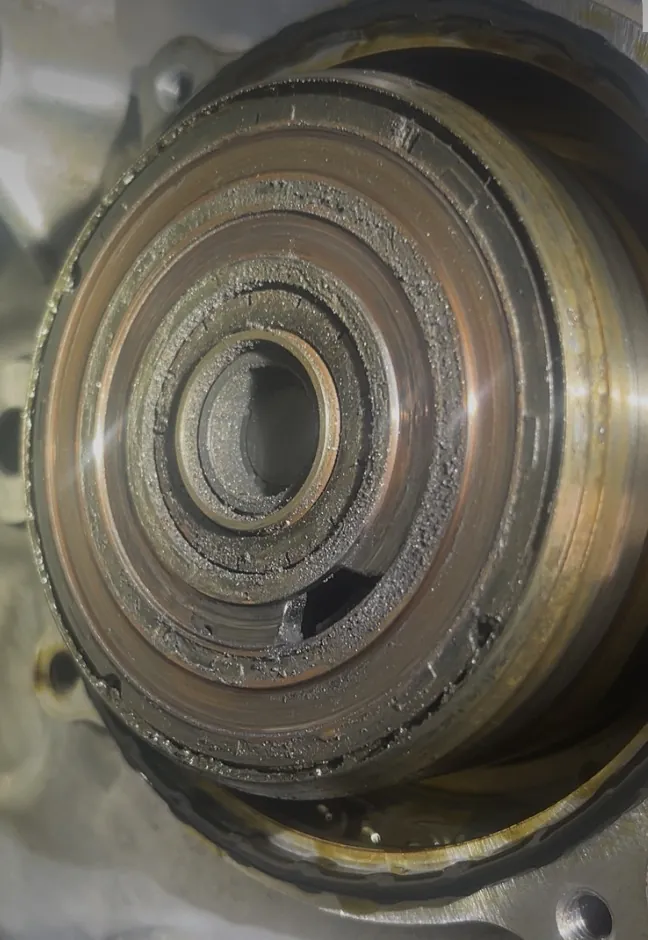
Macro view of a camshaft actuator bore in a cylinder head showing bearing surfaces and oil varnish
Camshaft actuator bore, opened up. The varnish you can see is what happens to an engine that went too long between oil changes - and it is why phasers rattle on cold start.
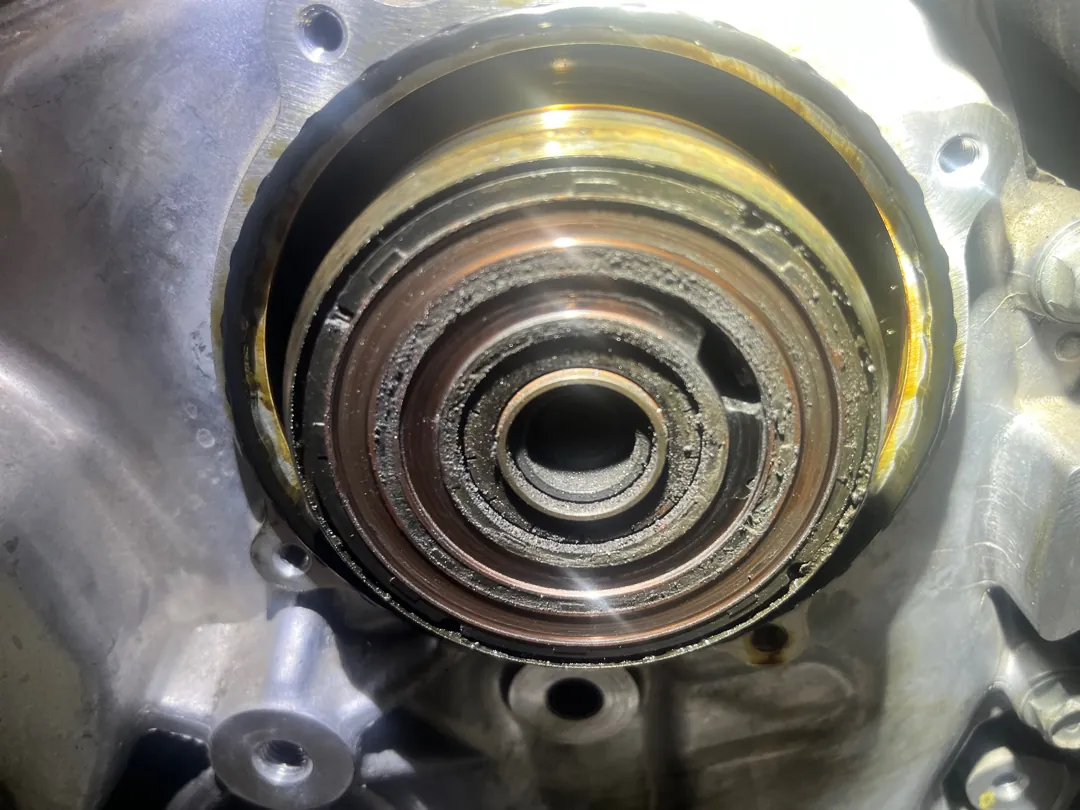
Close detail of a camshaft position actuator seated in an engine cylinder head
Same actuator, wider. This is the sort of picture you should get from any mechanic before they ask you to approve a four-figure repair.
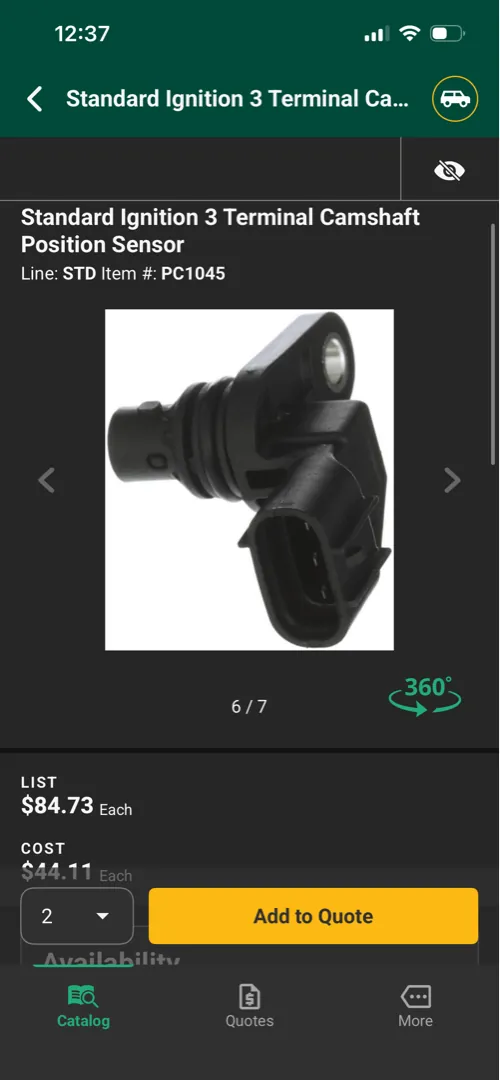
Parts supplier app showing a camshaft position sensor with a list price of $84.73 above the trade cost
List price and our trade cost, on the same screen. You pay a fixed markup over that cost figure, and we will turn the phone around and show you.
Engine bay with the ignition coil pack area exposed on top of the cylinder head during a spark plug job
Coils out, plug wells open. On a transverse V6 the back bank is the whole job - the front three take twenty minutes and the back three take two hours.

Common questions

My engine rattles for a second on cold start. Is that bad?
Take it seriously. It is usually a timing chain tensioner or a worn variable-timing phaser, and both get worse. Diagnosing it early is far cheaper than the failure it eventually becomes.
Can you replace an engine at my house?
No, and anyone who says yes should worry you. Engine replacement needs a hoist, a lift and a controlled space. We do the diagnosis where the car is and move the job indoors.
Is it worth fixing an engine in an older car?
Sometimes. It depends on the repair cost, the body and frame condition and what the car is worth here - salt-belt rust changes that maths a lot. We will give you the numbers and an honest opinion, then it is your call.
What does a blown head gasket actually look like?
White sweet-smelling exhaust smoke, coolant loss with no visible leak, bubbles in the overflow tank, or oil that looks like coffee with milk. A block test on the coolant confirms it in about ten minutes.

Something wrong with the car? Tell us where it is parked.

$79 flat call-out, diagnostic included, 7 days a week, 7am - 7pm. If you decline the repair that is the whole bill.