From the job book
What this work looks like
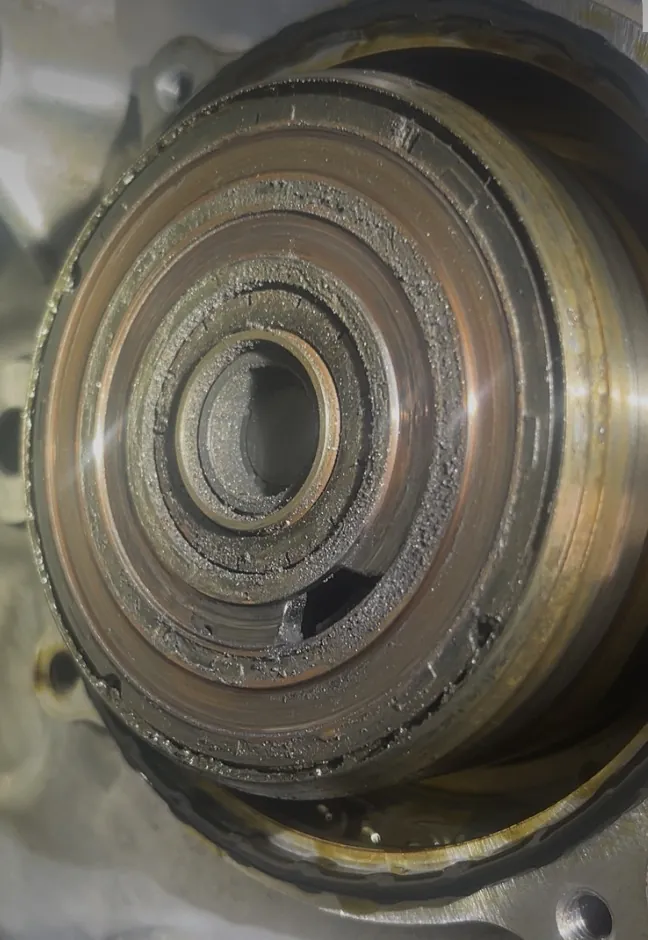
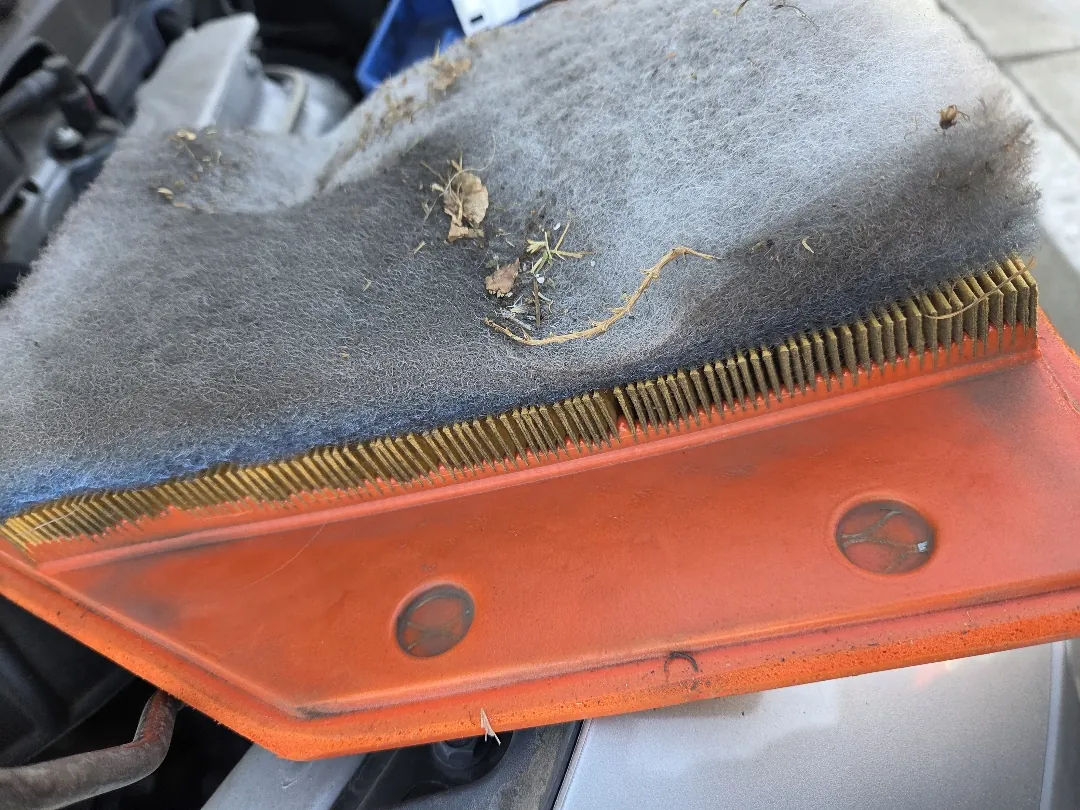
Real repairs, photographed on the job. These are jobs from our wider mechanic network rather than Milwaukee customers, and we say so on every page rather than implying otherwise.
Most engine wear happens in the first thirty seconds after a cold start, before oil pressure has reached everything. In a Milwaukee January that window is longer, because cold oil is thicker and takes longer to get where it is going. A short winter commute where the engine never fully reaches temperature is genuinely harder on oil than a long summer drive - moisture and fuel dilution build up and never boil off.
If your driving is mostly short trips across the city in winter, you are running a severe-service duty cycle whatever the manual's headline number says, and the interval on the sticker is optimistic. That is not a sales line - it is why manufacturers publish a second, shorter interval and almost nobody reads it.
Modern engines specify a viscosity for a reason. Variable valve timing systems run oil through very small passages at controlled pressure, and the phasers rattle on cold start when the wrong weight is in there. The filler cap or the manual tells you the grade, and we use that one unless you ask for something specific and can tell us why.
We are happy to fit oil you have bought yourself, at no markup penalty. Some people have strong opinions about brands. That is fine by us.
Half the value of an oil change is having a mechanic under the car with a light every few months. Belts, hoses, brake pad thickness, tire wear and pressure, battery voltage, coolant condition, leaks and any stored codes in the modules. It takes ten extra minutes and it is included.
You get told what we found and roughly what it costs, and then you decide. No high-pressure list of urgent items with a countdown on it - just the state of the car, in writing.
Real repairs, photographed on the job. These are jobs from our wider mechanic network rather than Milwaukee customers, and we say so on every page rather than implying otherwise.
$150 flat call-out, diagnostic included, 7 days a week, 7am - 7pm. If you decline the repair that is the whole bill.