From the job book
What this work looks like
Real repairs, photographed on the job. These are jobs from our wider mechanic network rather than Milwaukee customers — we say so on every page rather than implying otherwise.
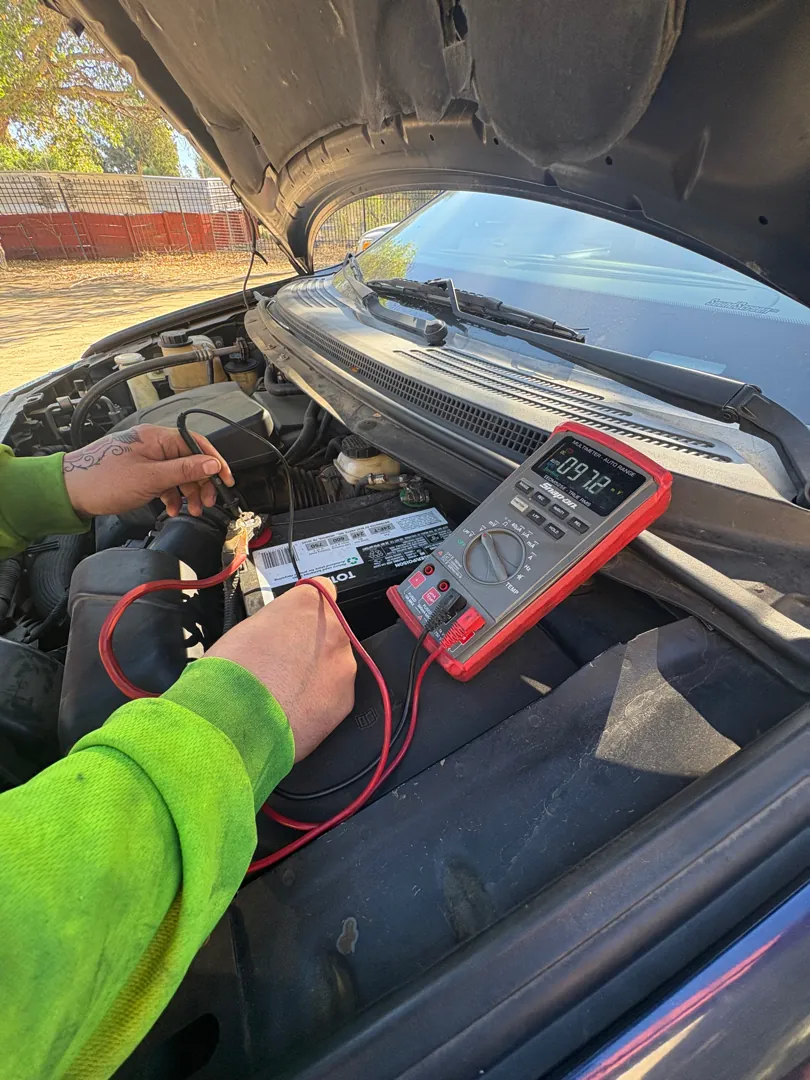
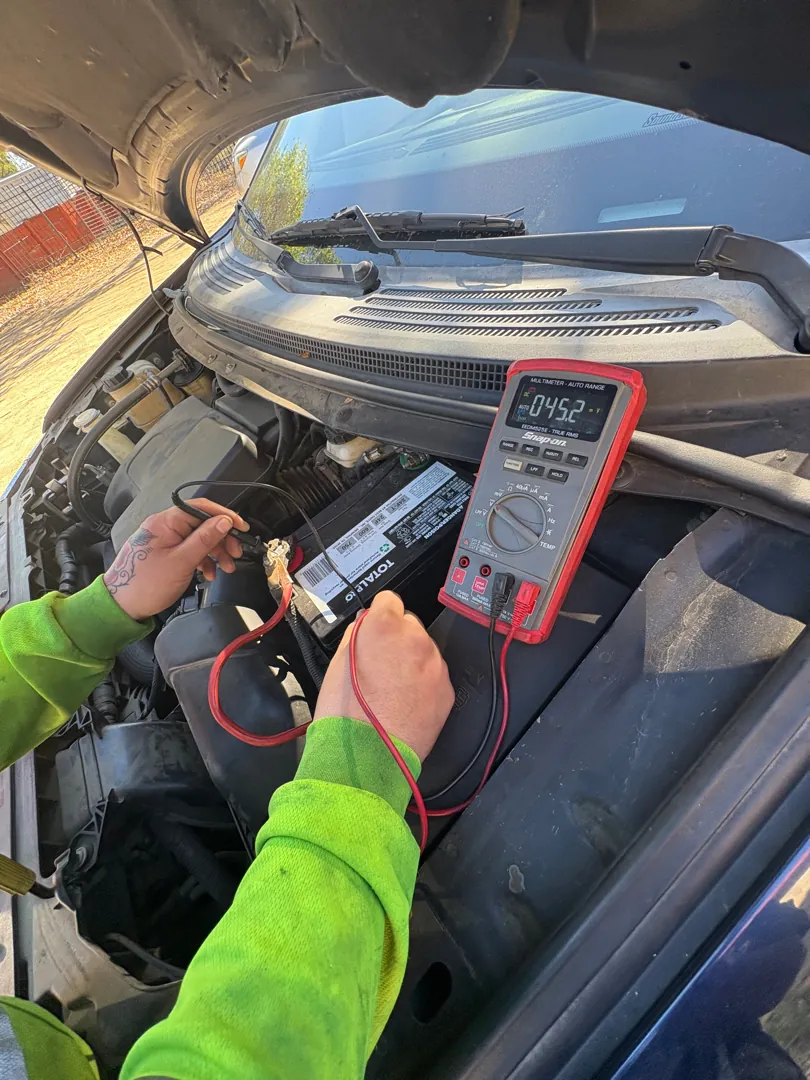
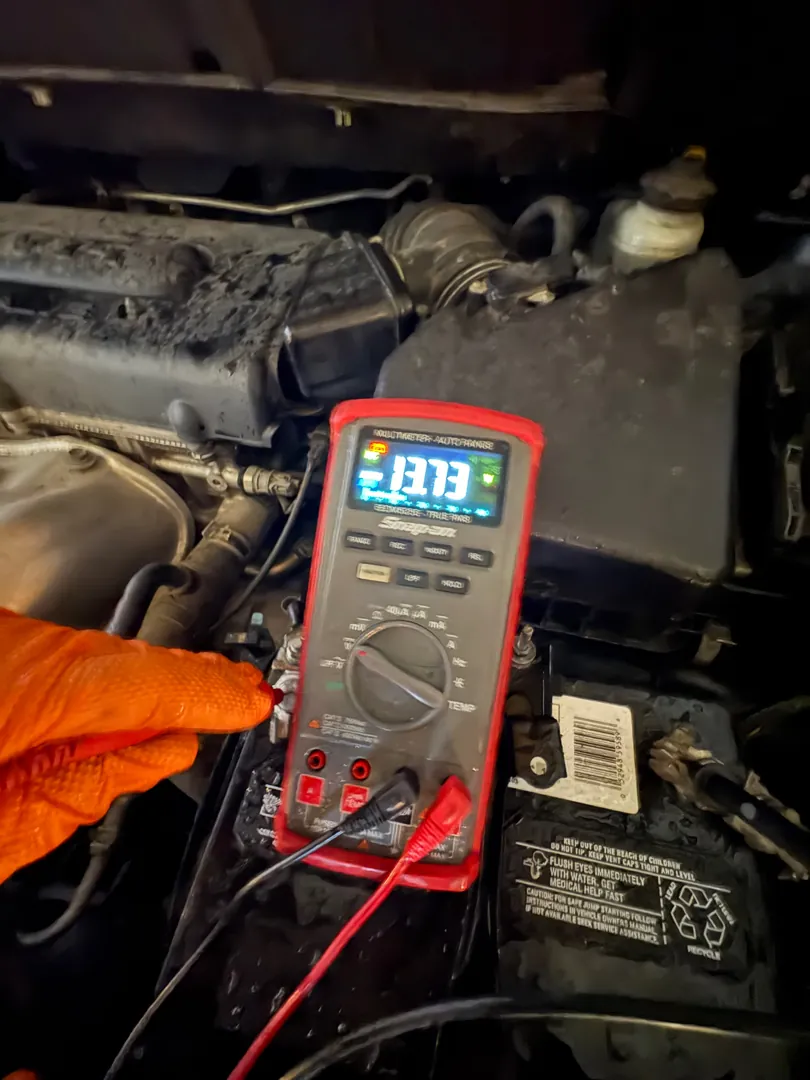
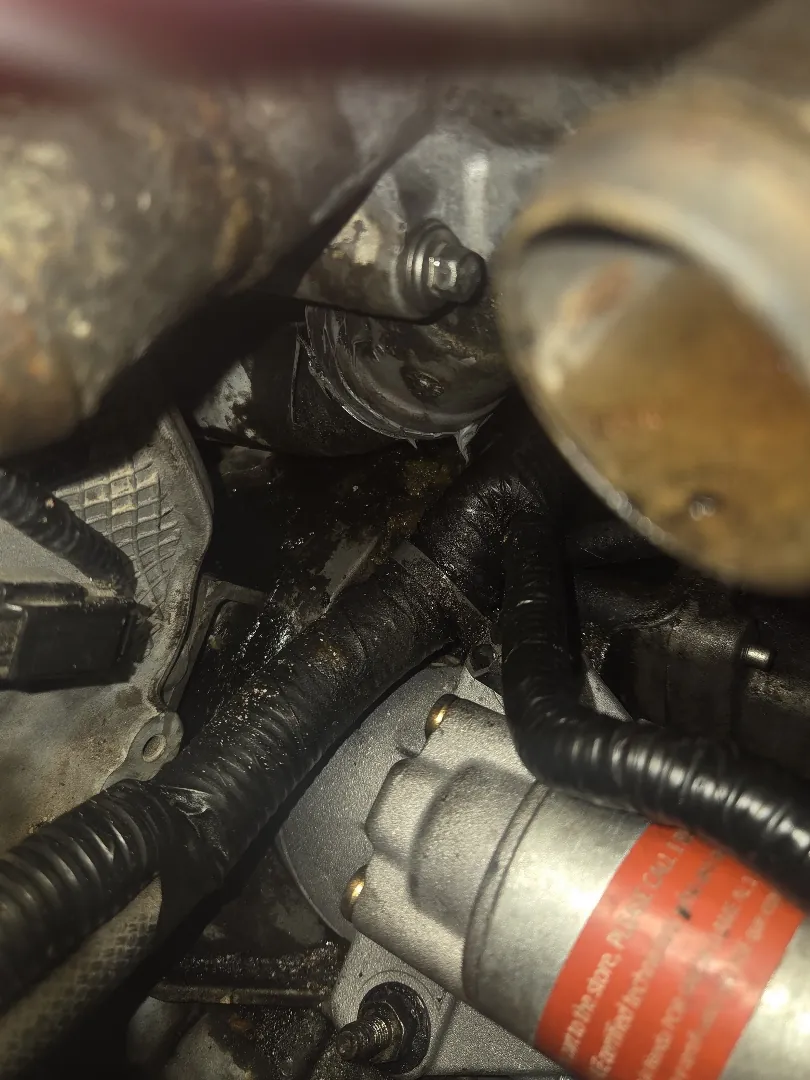
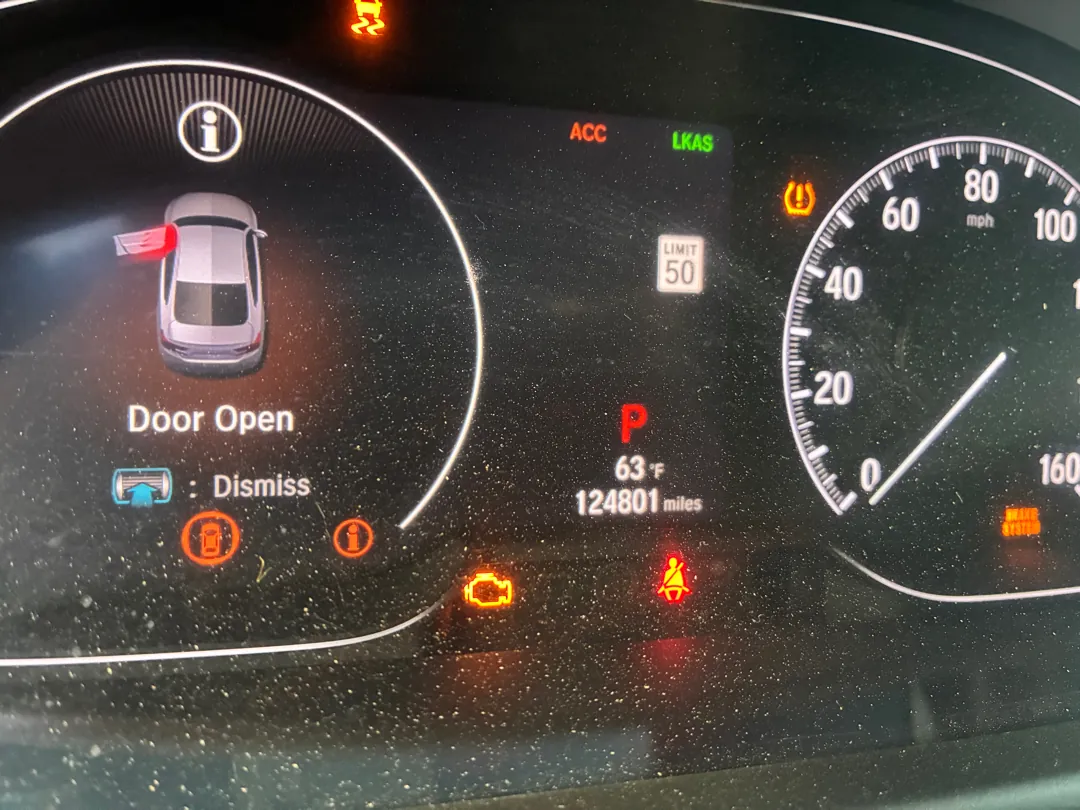
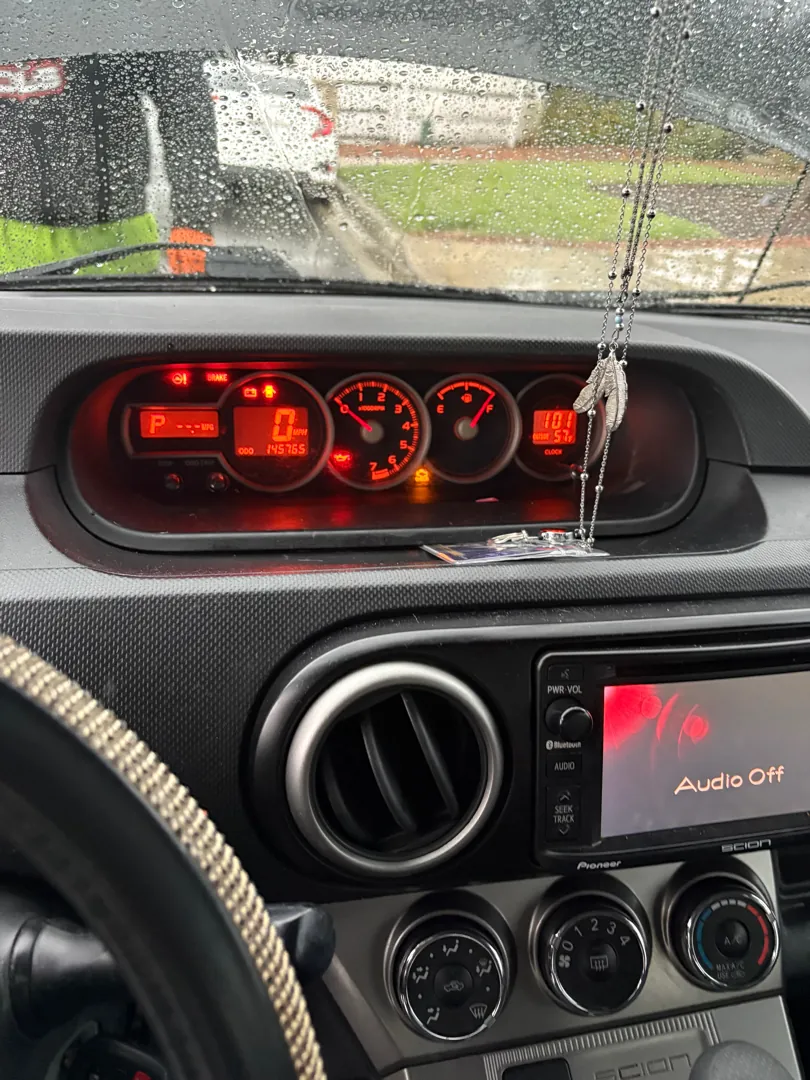
Does it crank? Does it try to fire? Did anything change? Those three answers put almost every no-start into one of three buckets before we even open the hood.
No crank at all, with lights that dim or a rapid click, is electrical - battery, cable, ground, starter or ignition switch. A healthy crank with no fire is fuel, spark or a crank sensor. A car that starts and dies immediately is usually an immobiliser, an idle control problem or a fuel delivery fault that cannot sustain pressure. Telling us which one you have on the phone genuinely speeds up the visit.
Below about 15 degrees the list changes. Fuel lines with water in them freeze. Diesel gels without the right winter blend. Rubber intake boots shrink and leak enough air to defeat the idle strategy. Batteries that read fine at rest collapse the moment the starter draws on them. And a car that has been sitting through a Milwaukee cold snap with a slow parasitic drain will be flat by the third morning.
A jump start gets a lot of people to work, and we will happily do that. But a car that needed a jump start twice in a week has a fault, and the second jump is a waste of your money if nobody looks for it.
Some things genuinely cannot be finished at the curb in February. A timing chain, an internal engine failure, a transmission that will not engage, a fuel tank that has to come down - those need a lift and a roof. We would rather tell you that in the first twenty minutes than bill you for three hours of shivering.
If it comes to that, the diagnostic still comes off the eventual repair, and you get the written findings either way so a second opinion is easy to get.
Real repairs, photographed on the job. These are jobs from our wider mechanic network rather than Milwaukee customers — we say so on every page rather than implying otherwise.
$79 flat call-out, diagnostic included, 7 days a week, 7am - 7pm. If you decline the repair that is the whole bill.